Ever stared at a recipe calling for half a cup and wondered how to measure it without the right tools? You grab what you have on hand, but doubt creeps in. Will your cake rise or flop? The answer is simple: half a cup equals eight tablespoons. This quick fact can save your dish every time.
In the kitchen, small slips in measurement lead to big problems. Bakers know this all too well. A pinch too much salt ruins the flavour. Cooks from all levels face this issue, whether you’re new to the stove or a pro. Recipes often mix units like cups and spoons. Sticking to US standards keeps things steady. Sources vary by country, so knowing the basics helps everyone.
Understanding Basic Volume Units: Cup vs. Tablespoon
You deal with cups and tablespoons daily in recipes. These units form the backbone of American cooking measures. Get them right, and your food turns out perfect. Cups handle larger amounts, like flour or milk. Tablespoons work for smaller bits, such as spices or oil.
The Standard US Cup Measurement
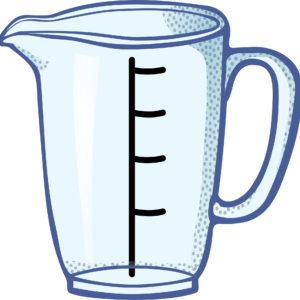
A US cup holds eight fluid ounces. That’s the go-to size for most recipes here. You can use a glass or plastic measuring cup for liquids. For dry items, metal sets work best. They often nest inside each other for easy storage.
The government sets this at 236.6 millilitres exactly. But in kitchens, we round to eight ounces. This standard keeps recipes consistent across books and sites. No more guessing when you follow it. Dry cups might look full, but liquids fill to the line.
People sometimes confuse it with metric cups, which are 250 ml. Stick to the US for now. Your local store sells tools based on this. It makes baking bread or mixing batter straightforward.
Defining the Tablespoon Measurement
One US tablespoon equals three teaspoons. It measures half a fluid ounce. Think of it as a big scoop for ingredients like sugar or vanilla. Recipes mark it as Tbsp or T. This sets it apart from smaller tsp.
Teaspoons are one-third of a tablespoon. They suit tiny ads, like baking powder. Tablespoons handle more, such as butter pats. In other places, a tablespoon might differ. Australia uses 20 ml, but the US stays at 14.8 ml.
Focus on the US for most home cooks. It avoids mix-ups in American recipes. Your set of spoons should have both marked clearly. This way, you measure oil or honey without worry.
The Direct Conversion: Tablespoons in Half a Cup
Conversions bridge the gap between tools. You might lack a half-cup measure but have spoons. No stress—math fixes it fast. Start with the full picture, then cut it down. This keeps your cooking on track.
Calculating the Full Cup Conversion
One full cup contains 16 tablespoons. That’s the base rule in US kitchens. Double-check with your tools if needed. For example, a quarter cup is just four tablespoons. Half would follow the pattern.
This setup helps with quick math. Imagine a recipe for soup needing one cup of broth. Use 16 spoons if cups run short. Charts make it visual:
- 1 cup = 16 Tbsp
- 1/2 cup = 8 Tbsp
- 1/4 cup = 4 Tbsp
- 1/8 cup = 2 Tbsp
Visual aids like this speed up prep. They cut errors in busy moments. Keep one on your fridge for reference.
Pinpointing the 1/2 Cup Calculation
Half a cup breaks down to eight tablespoons. Just divide 16 by two. Simple as that. You get exact results every time.
This comes up often when you tweak recipes. Say you cut a cake batch in half for fewer servings. Use eight spoons for half a cup of flour. It adjusts for diets, too, like less sugar in treats. No full cup needed.
Long-tail searches like “how many tbsp in half cup butter” lead here. The rule holds for most items. Liquids pour easily; solids scoop level. Practice once, and it sticks.
Practical Applications and Real-World Scenarios
Real life calls for these swaps all the time. Think of whipping up cookies or a quick sauce. Knowing eight tablespoons in half a cup changes the game. It lets you adapt on the fly.
Baking Precision: When 1/2 Cup Matters
In baking, half a cup of leavening can make or break your loaf. Too little, and it stays flat. Use eight tablespoons of baking soda precisely. Sugar recipes demand the same care. A slight off, and cookies spread wrong.
Many batters list half cups for eggs or oil. Sauces do too, like in gravy bases. Volume rules here over weight for liquids. Scales help solids, but spoons work fine. Why? Cups stay common in old books.
Stick to level fills. This ensures even rise. Your pies crust just right. Pros swear by it for consistent bakes.
Scaling Recipes: Doubling and Halving
Halve a full recipe? Turn one cup into eight tablespoons total. Double it, and half a cup becomes 16. Easy math boosts your skills.
Take a milk call for half a cup in pancakes. Grab eight spoons if no cup handy. Butter swaps the same way—soften and measure. Here’s a quick list for common items:
- Half cup milk = 8 Tbsp (pour steady)
- Half cup flour = 8 Tbsp (spoon and level)
- Half cup sugar = 8 Tbsp (pack light)
These tips save time in a rush. Adjust for family size without waste. Your meals fit any crowd.
Avoiding Common Measurement Pitfalls
Mistakes happen fast in the kitchen. One wrong scoop alters taste or texture. Learn the traps, and you dodge them. Focus on tools and methods for wins.
The Difference Between Measuring Spoons and Eating Spoons
Eating spoons vary in size. Your dinner set won’t match recipe’s needs. A big tablespoon from the drawer might hold more or less. Always reach for marked measuring spoons.
Level off with a knife for accuracy. Heaping adds extra, which throws off balances. Dry spoons suit powders; wet ones handle drips. This keeps salt from over-salting your stew.
Buy a set if you don’t have one. They cost little but pay big. Recipes rely on this for true flavours.
Liquid vs. Dry Volume Differences
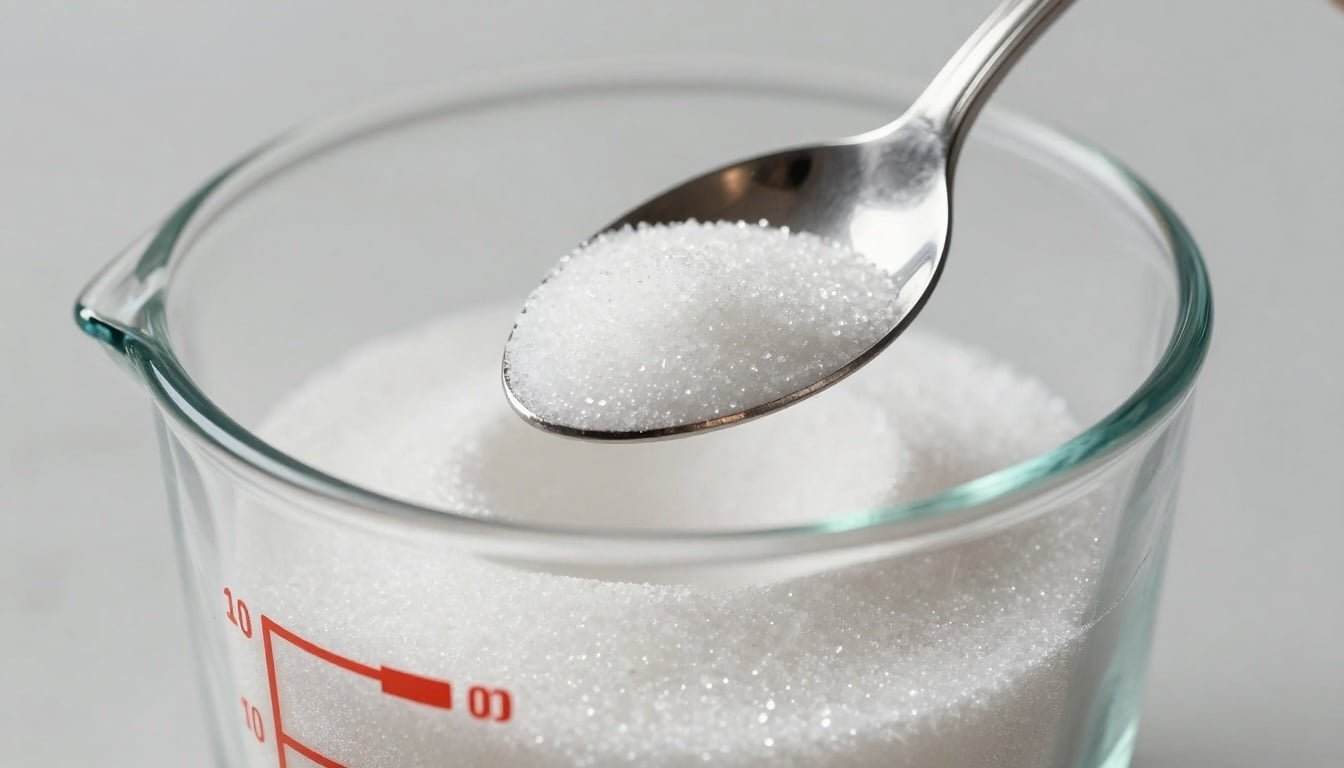
Liquids fill cups to the brim without air gaps, and dry goods like flour trap space. Sift first, then spoon in. Pack brown sugar, but not white.
Industry tips say level dry after scoop. This matches the half cup standard. Flour can weigh differently if packed incorrectly—up to 20% off. Water stays steady at eight ounces.
Test with water in your spoon. It shows true volume. Adjust for sticky items like honey. Warm the spoon to pour clean.
Conclusion: Mastering Kitchen Conversions for Culinary Success
Half a cup always equals eight tablespoons in US measures. This core fact anchors your cooking. Use it for precision, and your results shine every time.
Build a chart with key swaps. Pin it near your workspace. It cuts prep stress and boosts speed. Next recipe, you’ll measure with confidence. Your kitchen adventures just got easier—what will you bake first?
(Word count: 1,248)