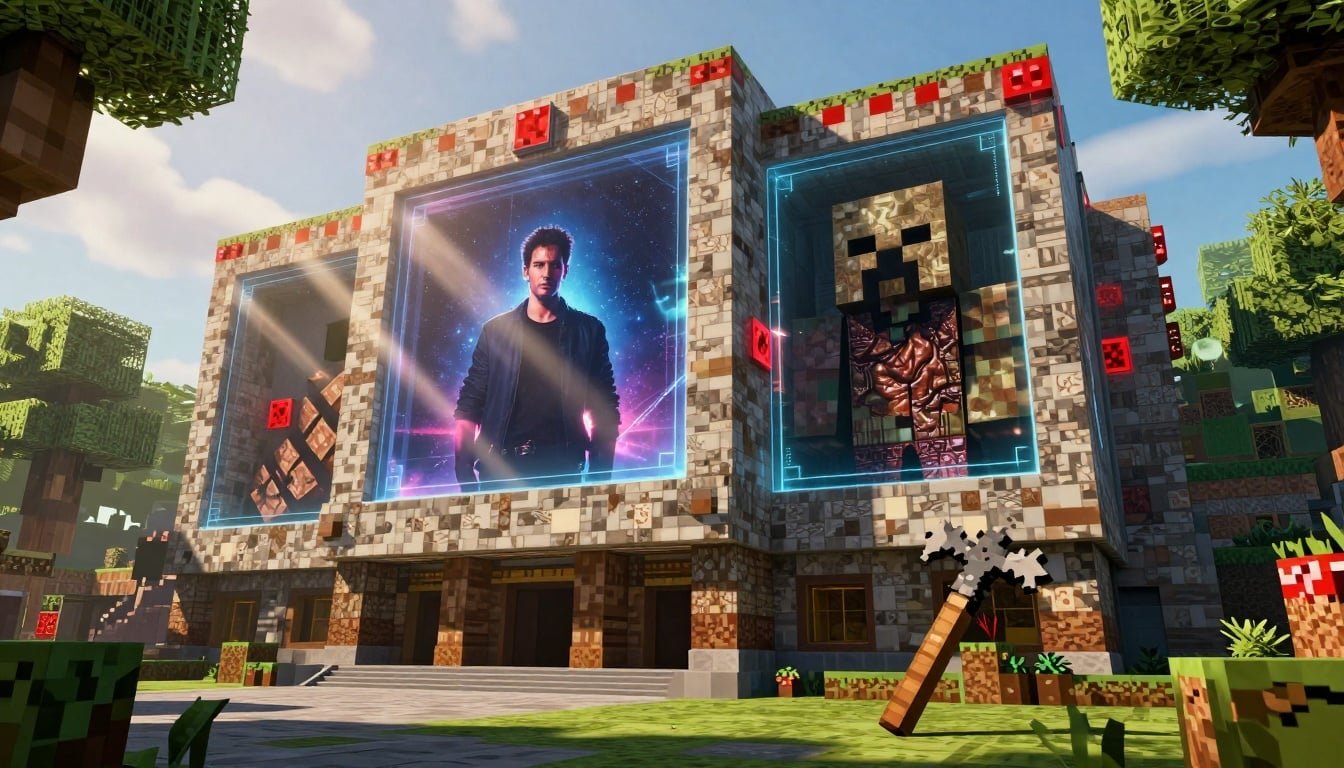
Minecraft has gripped players worldwide for over a decade. With more than 140 million active users each month in late 2023, it’s more than a game—it’s a cultural force. Kids build dream homes; adults craft survival stories. Yet turning this open-ended sandbox into a movie poses a huge test.
How do you squeeze endless player choices into a tight plot? That’s the heart of the changes from the Minecraft game to the big screen. Filmmakers must swap free-form fun for a guided tale, tweaking visuals, stories, and mechanics to fit the silver screen. Visual Fidelity and Environmental Scale
The jump from game pixels to movie visuals marks one of the biggest shifts. In the game, everything snaps into simple blocks. On screen, expect smooth CGI that nods to those roots but adds real depth. Textures get richer, with mossy stones that feel alive underfoot.
Lighting plays a key role, too—sunsets over plains now cast golden glows on every edge. Particle effects, like dust from a pickaxe swing, swirl with movie magic. This blend keeps the Minecraft charm while pulling you into a lifelike adventure.
Reimagining Block Aesthetics for Cinematic Realism
Voxel graphics in the game use low-res blocks for easy building. The film amps this up with high-def CGI. Think of it like upgrading a Lego set to a Hollywood set—still blocky at heart, but with polished shine. Directors aim to hold that iconic look without going full cartoon. Shadows fall just right, and colours pop in ways the game never could. Fans wonder: will Creepers stay green and simple, or get a scaly texture?
Scale and Detail of Biomes
Biomes in Minecraft span vast, repeating chunks. The movie expands them for epic scope. The Overworld might stretch like endless fields in a Western flick. Nether portals lead to lava seas that bubble with real heat haze. The End stays eerie, with chorus plants swaying in void winds. Block structures persist, but edges soften for flow—plains blend into forests without harsh lines. This makes worlds feel bigger and more immersive for theatre seats.
Character Model Evolution
Steve and Alex start as blank slates in the game. You customise them endlessly. On screen, they gain faces that show fear or joy. Expressive eyes widen during a skeleton attack. Costumes evolve, too—leather armour cracks under stress, diamond sets gleam in torchlight. No more stiff walks; animations bring fluid motion. It’s like watching your avatar grow a personality, tying you closer to their quest.
Dynamic World Destruction and Physics
Breaking and placing blocks define Minecraft play. Movies can’t pause for that, so the action speeds up. Expect quick cuts of earth crumbling in fights. Physics lean stylised—blocks tumble like Jenga towers, not perfect realism. This keeps the fun without slowing the pace.
Integrating Redstone Logic
Redstone powers game gadgets from doors to traps. The film might show it as glowing circuits under skin-like surfaces. Animators use sparks and whirs to hint at logic without boring explanations. A piston door hisses open in a chase, powered by unseen wires. It adds clever twists to scenes, like a hidden launcher saving the day.
Narrative Structure and Character Development
Player agency rules the game—you decide the path. The big screen forces a script, so changes centre on plot control. No more wandering; every step builds to a climax. This shift tests how to keep the spirit alive in a straight-line story.
Forcing Agency into a Scripted World
Sandboxes thrive on your choices. Films need a clear arc, like a hero’s journey through trials. The movie likely picks one path: gather allies, face threats, win big. Episodic bits could flash player-like freedom in dreams or side quests. You might ask: Does this box feel too tight for Minecraft’s wild heart?
Establishing Protagonist Goals
Survival drives game nights, but films demand purpose. The hero could chase a lost artefact across dimensions. Crafting turns into key moments, like forging a sword to beat the Ender Dragon. Goals pull from lore but add stakes—save a village, not just live day by day. This makes every block placed feel urgent.
Expanding the Lore Beyond Player Action
Minecraft hints at deep backstories through ruins and notes. The film fills those gaps. Ancient Builders become flashback figures who fled disasters. Endermen get tragic vibes, guardians of a broken realm. Mobs shift from random spawns to plot pieces, weaving a bigger tapestry.
Deep Dive into Mobs and Creatures
Creepers explode without warning in the game. On screen, they might stalk with purpose, drawn by noise or magic. Zombies shamble as cursed villagers, seeking a cure. Backstories add heart— a Piglin horde guards treasure with family ties. This turns hazards into characters you root against or pity.
Related:
Gameplay Mechanics Transformed into Cinematic Tropes
Core loops like mining and fighting shape the game. Movies boil them down to flashy moments. No grinding montages; instead, quick builds fuel drama.
Combat Mechanics and Equipment Progression
Mining ores for gear builds power in steps. The film shows this in bursts—hammer iron into plates during a lull. Fights highlight upgrades: wooden swords splinter, then diamond blades clash with sparks. Progression feels earned, like levelling up in a live-action RPG.
Potion Effects and Enchantments Visualised
Potions grant boosts that change gameplay. Speed makes you blur across screens; invisibility hides your form. In the movie, these glow on skin—veins pulse with fire resistance. Enchantments add flair: a Sharpness sword trails blue arcs on swings. Effects and tension, like a Strength brew turning a weak punch into a boulder smash.
Resource Management vs. Spectacle
Digging deep for diamonds eats hours. Films skip the tedium for spectacle. A quick cave dive yields plot-critical finds. Farming gets comic beats, like a hasty wheat harvest before nightfall.
The Role of Food and Hunger
Hunger bars drop fast in survival mode. The movie uses it lightly— a growling stomach cues funny fails, like a trip from low energy. No constant meter; it’s a tool for humour or peril. Eat a golden apple to heal mid-battle, golden light mending wounds.
Creative Freedom and Fan Expectations
Fans guard Minecraft’s soul fiercely. The adaptation walks a line: stay true, but draw new crowds. Changes spark debate—what stays, what goes?
Balancing Adaptation with Originality
Key bits like biomes and crafting can’t vanish. Yet the film adds fresh twists, like human sidekicks from our world. Sound bites remain sacred—the pickaxe clink echoes in quiet scenes.
Sound Design Fidelity
Audio ties the game to the film. Footsteps crunch on gravel just like before. Creeper hisses build dread before booms. These sounds ground the CGI, making you feel at home in the chaos.
Potential Cameos and Easter Eggs
Nods to players hide in corners. A villager trades emeralds for game prices. Neither fossils whisper old secrets. These delights reward die-hards without confusing newbies.
Actionable Tip for Filmmakers
Weave cues into sights, not talks. A chest spills classic loot in a ruin. Let viewers spot them, sparking online buzz.
Conclusion: The Future of Blockbuster Gaming Adaptations
Adapting Minecraft demands tough cuts. Player freedom yields to tight stories, with strong heroes holding it together. Visuals strike a balance—blocky essence meets smooth realism for stunning views. These top changes from the Minecraft game to the big screen reshape a giant into cinema gold.
The film could cement Minecraft as more than playtime. It might spark a wave of game movies that honour roots while reaching wide. What do you think—will it capture the block-building joy? Share your takes below, and grab tickets when it drops. Let’s see this world premiere.
